
BACKGROUND
Kung Pa’no Sinunog ang Nanay Ko! is an act of resistance to the kind of upbringing I had. It brings awareness to the fact that my masculinity has become a weapon I haven’t been able to control.
I wrote this story to face those truths.
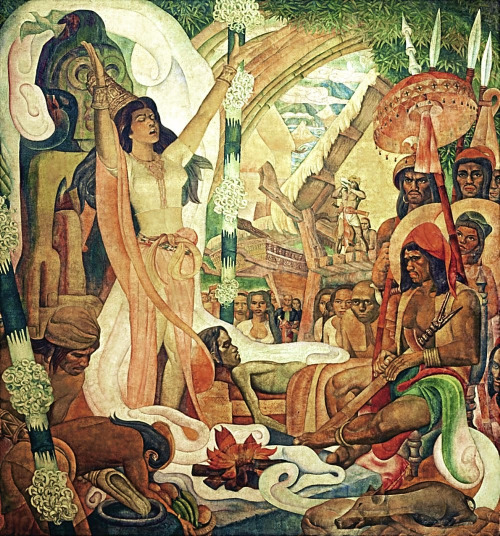
Through research, I learned that we were once genderless. The indigenous societies in our islands lived in matriarchal systems, where the babaylans—these powerful women and effeminate men—are leaders, spiritual mediums, and community movers. But then the Spaniards came.
The foreigners rewrote the babaylans as witches or mangkukulams and burned them, literally and figuratively. The Spanish machismo attitude that burned the babaylans started a domino effect: the loss of respect for nature has led to catastrophic urbanization and destruction of natural resources.
With this film, I want to remind us of the past we came from. A time before the colonizers imposed their beliefs on us. To show that we lived in harmony without prejudice towards sexuality or gender expression.
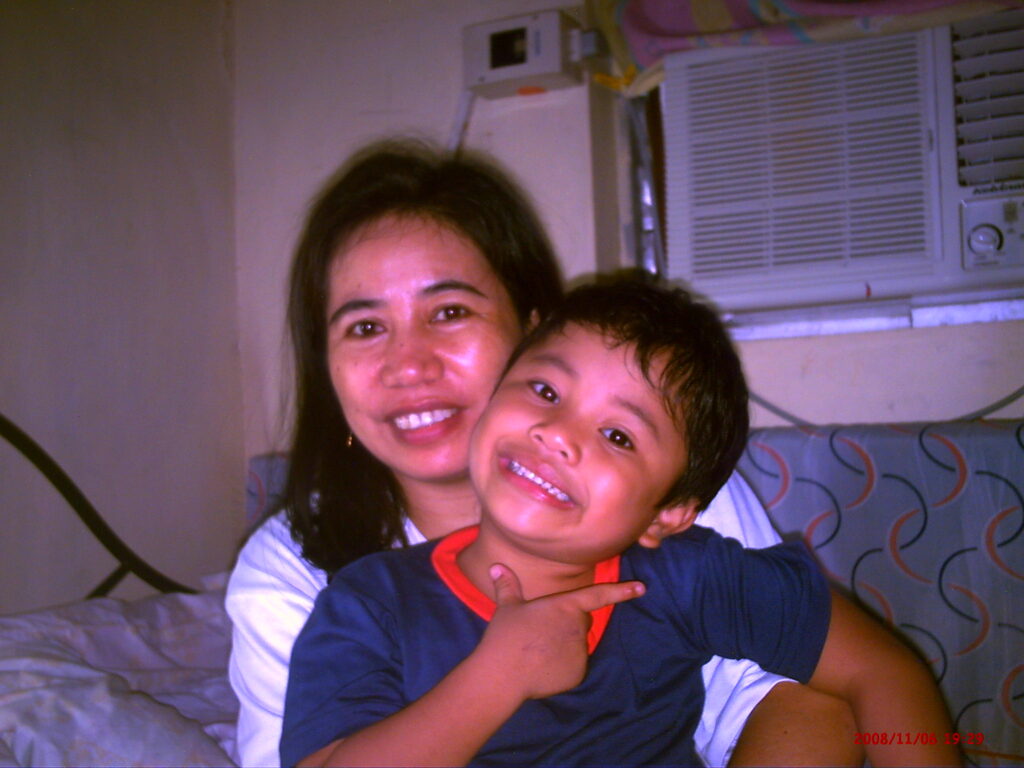
But I also want to make this film to give homage to the powerful women who raised me. My own babaylans.
While my father worked overseas, it was my mother who raised me. When my grandfathers died, my grandmothers stepped up as both the light and foundation of the family. They made me realize that true worth is not measured by our biological bodies or the roles imposed on us, but by the character we choose to live by.